Independent Watchmaking Growth
A look at why independent brands are stealing the spotlight from the "Big Four."

For a long time, the world of high-end watches was largely defined by a few very famous names. Brands like Rolex, Patek Philippe, Audemars Piguet, and Vacheron Constantin have long been seen as the “Big Four.”
These companies are known for their history, skilled craftsmanship, and often having long waiting lists for their most popular models, which helps keep their value high.
However, over the past decade, the direction of the luxury watch world has begun to shift. While the major brands remain powerful and desirable, a growing number of collectors and enthusiasts are turning their attention to independent watchmakers, small, often founder-led brands that operate outside large luxury groups.
What Defines Independent Watchmaking
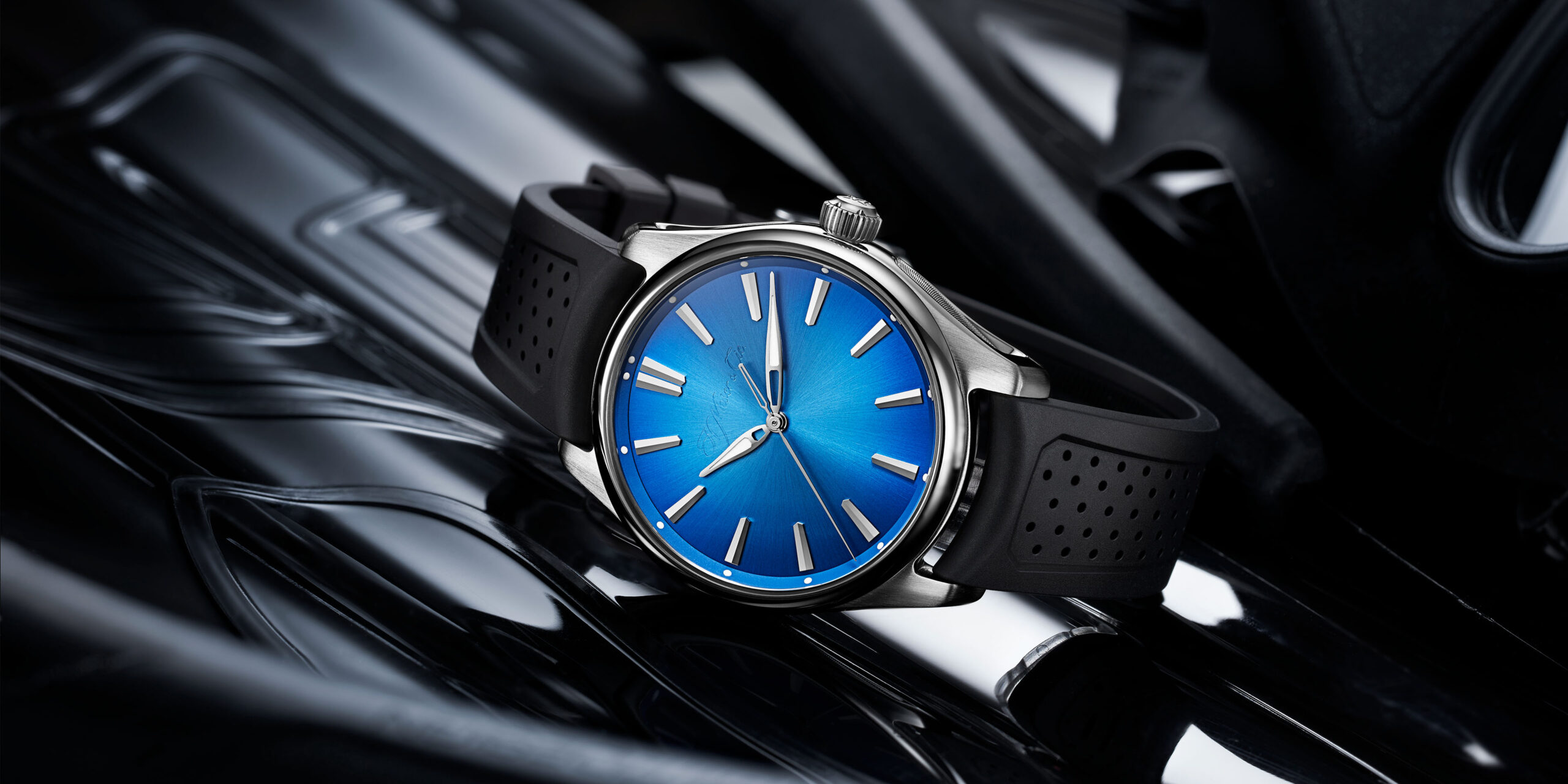
Independent watchmakers are typically characterised by limited production, hands-on involvement from the watchmaker, and a strong emphasis on creativity. Unlike large brands that must appeal to a broad global market, independents have the freedom to experiment with unusual designs, innovative movements, and unconventional materials. This results in watches that feel more personal and artistic, often reflecting the vision of a single individual rather than a corporate strategy.
Because production numbers are low, many independent watches are made in runs of only dozens—or even just a few pieces per year. This scarcity adds to their appeal, especially for collectors who value uniqueness over mass recognition.
One major reason for the rise of independent watchmaking is the changing mindset of collectors. As demand for mainstream luxury watches has grown, access has become more difficult.
Long waiting lists and inflated secondary market prices have pushed many enthusiasts to look elsewhere. Independent brands offer an alternative: exceptional craftsmanship without the same level of hype.
Additionally, today’s collectors are often more educated than ever before. Through online forums, social media, and watch journalism, enthusiasts can easily learn about movement finishing, case construction, and horological innovation.
This deeper knowledge naturally leads to appreciation for the technical mastery and originality that independent watchmakers provide.
Innovation and Artistic Expression
Independent watchmakers are frequently at the forefront of innovation. From unconventional time displays to entirely new movement architectures, these brands are willing to take risks that larger companies may avoid.
Names such as F.P. Journe, Philippe Dufour, Kari Voutilainen, and MB&F have become highly respected not only for their craftsmanship but also for pushing the boundaries of what a mechanical watch can be.
In many cases, these watches blur the line between timekeeping instruments and wearable art. Hand-finished bridges, engraved dials, and unique complications highlight the human touch behind each piece.
Despite their growth, independent watchmakers face real challenges. Limited resources, small teams, and high production costs mean long delivery times and high prices. Servicing and long-term support can also be concerns for buyers unfamiliar with smaller brands.
Even so, the future looks promising. As more collectors seek authenticity, originality, and a deeper connection to the craft, independent watchmaking continues to gain respect and visibility.
Rather than replacing the established giants, independents are reshaping the industry by reminding it that creativity, passion, and individuality remain at the heart of horology.
In this changing landscape, independent watchmakers are no longer a niche curiosity; they are an essential and influential part of modern watchmaking.