The Art of the Guilloché
Guilloché is a hand-engraved watch dial art, prized in luxury timepieces for its intricate, light-dancing patterns and true craftsmanship.

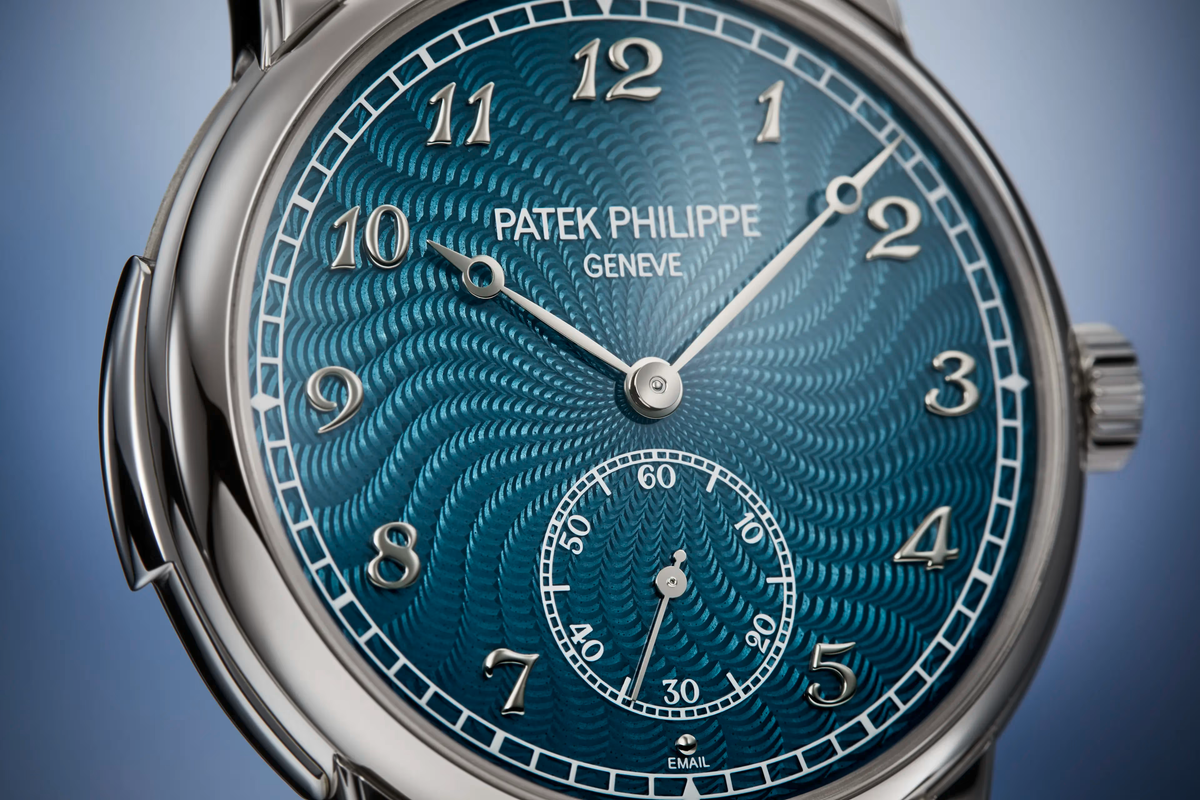
The process centers around a strange-looking antique machine called a rose engine. These machines are not powered by electricity but are operated entirely by hand. The artisan turns a crank with one hand to rotate the dial while using the other to press a sharp cutting tool against the metal.
It requires an incredible amount of focus because the pressure has to be exactly the same for every single cut.
If the hand of the artisan slips even a tiny bit or if they breathe too heavily at the wrong moment, the entire dial is ruined and they have to start over from scratch.
What makes this so special is that we are surrounded by things made perfectly by computers.
A stamped dial is technically flawless, but it often looks flat and cold. A hand-turned guilloché dial has a depth and a shimmer that a machine simply cannot replicate.
Because the tool actually removes a tiny bit of metal with every pass, the ridges are sharp and clean. This allows the dial to catch the light in a way that feels alive. You might see a Clous de Paris pattern, which looks like tiny pyramids or a Grain d’Orge pattern that resembles grains of barley.
Today, brands like Breguet and Vacheron Constantin are keeping this tradition alive by hunting down and restoring machines that are often over one hundred years old.
These brands even train their own artisans in-house because the schools for this craft have largely disappeared.
In a world where everything is moving faster, there is something deeply rewarding about owning a watch that took days of manual labor just to decorate the face. It is a reminder that some of the most beautiful things in the world cannot be rushed and certainly cannot be programmed.