The High-Frequency Battle
Watchmakers push high-frequency movements to boost precision, performance, and engineering mastery while honoring mechanical tradition.

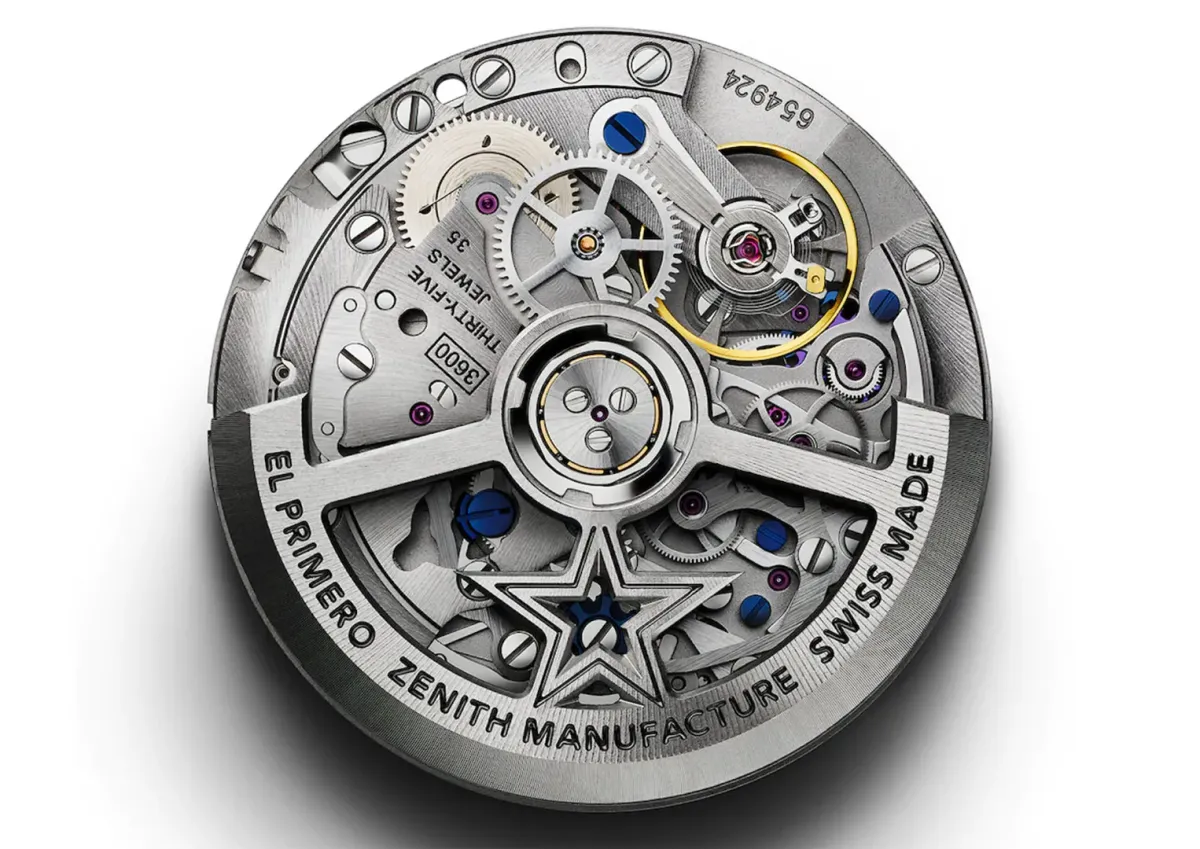
Precision has always been a point of pride in watchmaking. Today, some brands are taking it to the extreme with high-frequency movements. These are watches that beat faster than the norm, often at 36,000 vibrations per hour or more, allowing them to measure time more accurately and keep consistent performance.
High-frequency watches are not new, but the modern push is different. Technology has improved, materials are stronger, and finishing can keep up with speed. This means watches can run fast without wearing out prematurely. Brands like Zenith with their El Primero, and TAG Heuer with modern reinterpretations, show that high-beat movements are both practical and exciting for enthusiasts.
The appeal is clear. Faster beats mean more precise timing, smoother seconds hands, and a sense that the watch is alive. It gives a feeling of engineering mastery that is rare in everyday wear. Collectors also see it as a statement—a way to show that a brand is willing to innovate without abandoning its heritage.
But it is not just about numbers. High-frequency watches can be more sensitive to shocks, require careful lubrication, and challenge traditional watchmaking skills. This is where mastery matters. Only brands that understand movement engineering deeply can make high-frequency watches reliable for daily use.
The high-frequency battle is more than a technical race. It is a story of innovation, tradition, and the pursuit of perfection. For collectors, it is proof that mechanical watches can still surprise, excite, and perform at the highest level.