The "Independent" Surge
Collectors are turning to independent watchmakers in search of rarity, artistry and authentic horological soul.

For decades, the landscape of mechanical watchmaking has been dominated by a handful of global groups. Names like Rolex, Patek Philippe and Audemars Piguet sit at the apex of desirability. Behind them stand powerful corporate structures that have acquired scores of smaller marques, applying economies of scale to production, distribution and marketing. This model delivered predictable results: sustained growth, global reach, and watches that trade at premium valuations.
Yet in the last few years, a quiet shift has gathered momentum. A new generation of collectors is turning its gaze away from the familiar names on the glossy magazines and auction catalogues, and towards voices forging their own paths outside the insurance of conglomerate ownership. What these collectors are seeking has less to do with headline resale figures and more with a visceral connection to craft, creativity and identity.
Rethinking Value
To understand the shift, it helps to consider what value means in the context of mechanical timepieces. For decades, the narrative of value has been shaped by secondary market prices and brand recognition. A wristwatch from a global luxury house is often prized because of its recognisability and liquidity in auction rooms.
Independents challenge that paradigm. Their allure is rooted in the rarity that cannot be engineered by limited production quotas alone. These are watches born of personal vision, often reflecting a single maker’s philosophy or aesthetic obsession. When a collector acquires a piece from an independent atelier, they are buying a story as much as a mechanism.
Companies like F.P. Journe and Akrivia are now synonymous with this movement. Their founders are visible figures, present at fairs and forums, engaged in the discourse of craft. The emotional resonance extends beyond the watch itself to the human behind its creation.
Craft Over Convention
Independents are not motivated by quarterly results or brand benchmarks. Their experimentation is unshackled from the need to appeal to broad demographics. Complications that might be dismissed as commercially risky, unusual calendars, non-standard escapements, bespoke finishes, become fields of enquiry rather than liabilities.
This has creative consequences. The contours of casework, the layout of a dial, or the decision to use historic materials can be driven by the demands of aesthetics or narrative rather than by focus group testing. For collectors immersed in the nuance of horology, this feels like a breath of fresh air.
The work of horologists such as Konstantin Chaykin, whose creations often blend storytelling with technical ingenuity, resonates in a way that extends beyond purely mechanical admiration. It speaks to individuals who want their watch to reflect something personal, rather than something dictated by market consensus.
A New Kind of Collector
This shift in preference also reflects generational change. Younger collectors, shaped by access to information and a global community of peers, are less inclined to defer entirely to established authorities. Enthusiasts travel to independent fairs in Geneva and Singapore, engage in online forums, and scrutinise movements at a micro level. Their yardstick for quality is not only technical but also philosophical.
For some, the draw of independent watchmaking is akin to collecting art. It is not about recognisability on the street or ease of resale. It is about owning something that could not be reproduced en masse. The scarcity is not contrived; it is organic. When an independent maker announces that only a handful of pieces will be made in a year, because that is all that can be hand-finished by the atelier, it carries a different meaning than a corporate limited edition.
The Wider Industry Response
The success of independents has not gone unnoticed. Conglomerates have begun to respond in different ways: some by creating in-house initiatives that mimic the artisanal approach, others by investing in independent makers. But the very act of corporatising independence risks diluting what made it desirable in the first place.
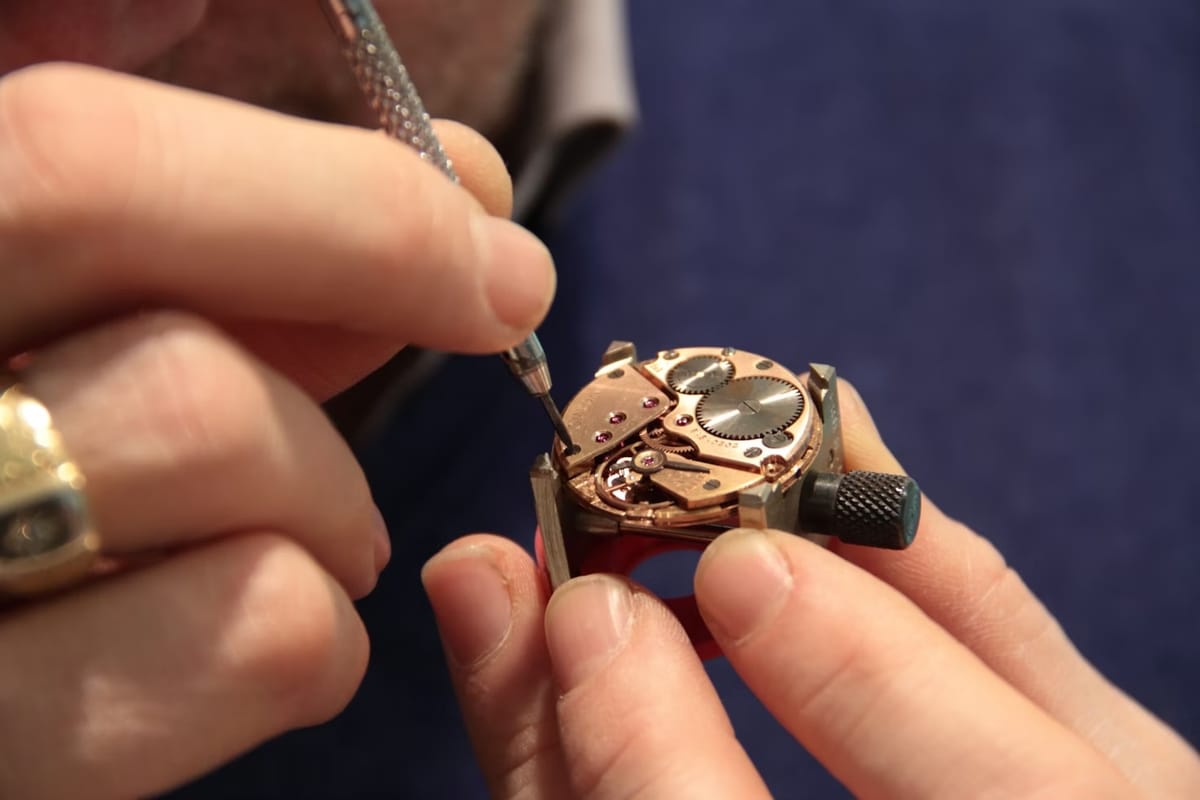
Collectors drawn to independent pieces often value provenance and transparency. They want to know the hands that touched the bridge, the logic behind the complication and the philosophy behind the design. This level of intimacy is not easily manufactured through marketing budgets.
A Question of Soul
If there is a unifying theme to the independent surge, it is this: a search for soul in an age of standardisation. For many seasoned collectors, the thrill of discovery now outweighs the comfort of familiarity. It is a recalibration not driven by rejection of heritage, but by an appetite for meaning.
As the watch world evolves, the rise of independent watchmaking feels less like a trend and more like a reclamation of horology’s fundamental promise: that a mechanical object can be a vessel for creativity, personality and human endeavour.