The Lab-Grown Diamond Debate
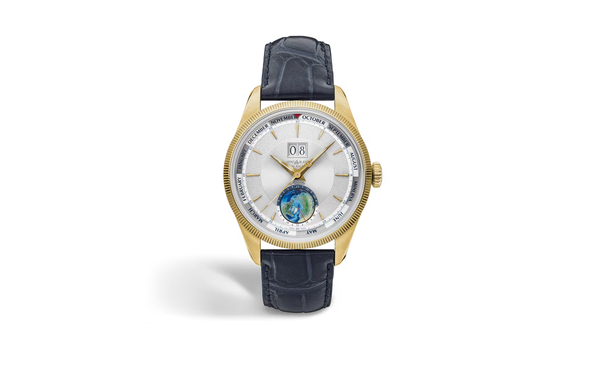
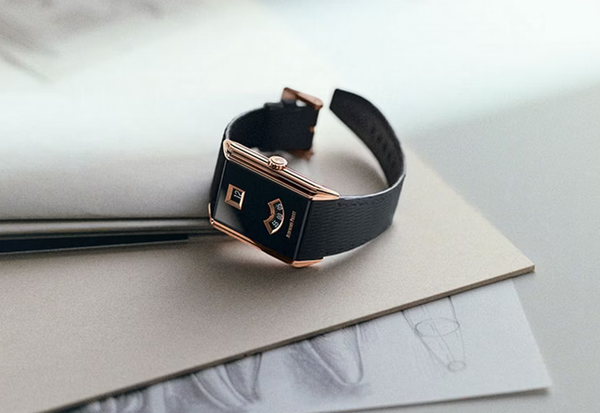
As TAG Heuer and others integrate lab-grown stones, we ask: is this the future of luxury watch setting?

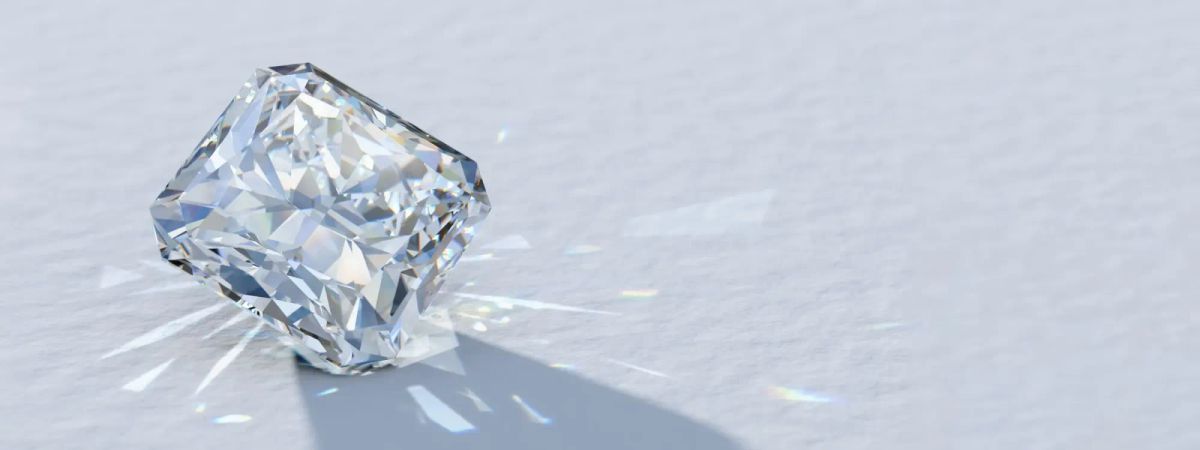
Luxury watches have always been about sparkle. Diamonds, sapphires, and other gems add beauty and prestige. But now, a new question is shaking the industry. Lab-grown diamonds. Are they the future, or just a trend?
Brands like TAG Heuer are starting to use them. These stones look real. They shine the same. They feel the same on the wrist. To most people, you could not tell the difference.
The advantage is clear. Lab-grown diamonds are often cheaper. They are also more consistent. Every stone can be carefully controlled. There is no worry about conflict sources. That matters to some buyers.
Critics argue it changes the idea of luxury. Part of owning a high-end watch is knowing it is rare and crafted from natural materials. A lab-grown stone might feel less exclusive. For some collectors, that is a deal breaker.
On the other hand, younger buyers care about ethics and sustainability. They like the idea of luxury without compromise. A lab-grown diamond can satisfy that. It allows brands to innovate without losing their image.
For the watchmakers, this is a choice. Do they stick with tradition, or do they embrace change? Some are doing both. Offering natural diamonds for collectors, lab-grown for modern enthusiasts. This gives buyers options without abandoning the brand’s identity.
The truth is, luxury is shifting. People still want quality, but they are also thinking differently about value and impact. Lab-grown diamonds fit that new thinking.
In the end, I believe they will not replace natural stones completely. But they will become a respected part of the mix. Luxury is about desire and choice. Lab-grown diamonds give both. And that could change how we see high-end watches forever.